In Case You Missed It (ICYMI) — a major milestone for Indian Country housing has been achieved.
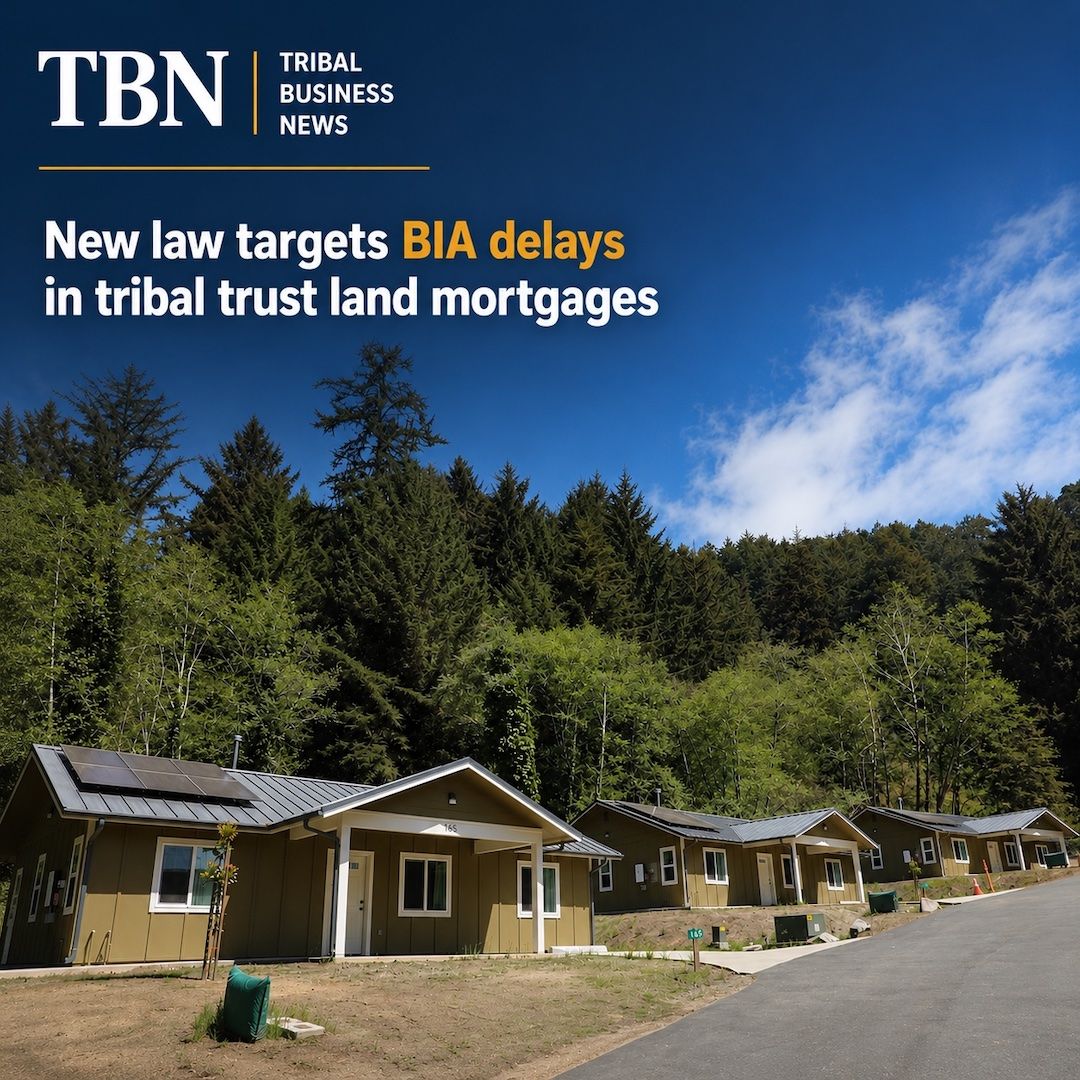
The Tribal Trust Land Homeownership Act of 2025 has officially been signed into law by Donald Trump on May 4, 2026, marking a long-overdue breakthrough in expanding access to homeownership opportunities for Native families living on Tribal trust land.
This bipartisan legislation, led by Rep. Dusty Johnson (R-SD), John Thune (R-SD), and Mike Rounds (R-SD), passed overwhelmingly in both the House and Senate and delivers meaningful reform to one of the most persistent barriers to homeownership in Indian Country.
What This Means
For decades, Tribal members seeking to secure a mortgage on trust land have faced lengthy and unpredictable delays through the Bureau of Indian Affairs (BIA). This new law changes that by:
Establishing clear, enforceable timelines for BIA mortgage reviews
Improving coordination and communication between Tribes, lenders, and federal agencies
Creating a realty ombudsman within BIA to support transparency and accountability
These reforms will help towards unlocking homeownership opportunities for Native families and veterans—while strengthening economic mobility across Tribal communities.
A Special Recognition
NAIHC would like to give a special and heartfelt shoutout to Sharon Vogel, Chair of the South Dakota Native Homeownership Coalition and Executive Director of the Cheyenne River Housing Authority.
Sharon’s leadership, persistence, and unwavering advocacy were instrumental in advancing this legislation across the finish line.
We also extend our deep appreciation to all Tribal leaders, housing professionals, policymakers, and partners who contributed to this effort over many years.
Why It Matters
Homeownership is a cornerstone of strong families and thriving communities. By cutting through bureaucratic delays and modernizing outdated processes, this law represents a meaningful step forward in addressing housing disparities in Indian Country.
At NAIHC, we deeply appreciate the growing attention and commitment from Congress to tackle the housing challenges facing tribal nations. By removing unnecessary bureaucratic delays, this bill helps unlock opportunity for Native families, strengthens pathways to homeownership, and supports economic mobility in our communities. We look forward to continued collaboration to build on this momentum and ensure tribal housing is fully included in the broader national housing agenda.
Looking Ahead
While this is a significant victory, there is more work to be done. NAIHC will continue to build on this momentum—working with Congress, federal partners, and Tribal communities to advance comprehensive housing solutions, including the modernization of NAHASDA.
Together, we are creating a stronger foundation for future generations.
Thank you for your continued leadership and partnership.
Rudy Soto
Executive Director
National American Indian Housing Council (NAIHC)